

Choosing the right event venue in Brussels is about much more than finding a space that can accommodate your guest list.
The venue influences almost every aspect of your event: the atmosphere, logistics, accessibility, technical production, catering, branding opportunities and, ultimately, the experience your guests will remember.
Whether you are planning a corporate event, gala dinner, conference, product launch, awards ceremony or staff party, asking the right questions before booking can save time, reduce unexpected costs and make the entire organisation process considerably easier.
So, what should you look for when comparing event venues in Brussels?
1. Start with the right capacity — not simply the biggest venue
One of the first questions event planners ask is:
How many people can the venue accommodate?
But maximum capacity alone does not tell you very much.
A room that works perfectly for a standing reception with 800 guests may not accommodate the same number for a seated dinner. A conference requires space for chairs, aisles, staging and technical equipment, while a product launch may require exhibition areas, bars or demonstration zones.
Before comparing venues, define:
your expected number of guests;
the type of event;
whether guests will be seated or standing;
the space required for a stage or entertainment;
catering areas;
networking spaces;
registration and cloakroom requirements.
Ideally, your venue should adapt to your event rather than forcing your event into a fixed layout.
This is particularly important when the final number of attendees may change between the initial booking and the event itself.
2. Look for a flexible event space
Every event has a different rhythm.
A conference might begin with a plenary session, continue with networking and finish with drinks. A gala dinner may require a reception area, dining space, stage and separate backstage facilities. A product launch may need to reveal a large object or completely transform the visual identity of the room.
Flexibility therefore matters.
When visiting an event venue in Brussels, ask whether the main space can be divided or reconfigured.
Also consider architectural restrictions.
Columns, fixed furniture, low ceilings or permanently installed structures can significantly limit what event designers and production teams can achieve.
A large pillar-free event hall, for example, gives organisers considerably more freedom when positioning stages, screens, dining tables, exhibition stands and technical installations.
The best event venues function almost like a blank canvas: the space supports your concept instead of defining it.
3. Think about accessibility from your guest's perspective
You know where your event is taking place.
Your guests don't.
Accessibility is therefore one of the most underestimated elements of venue selection.
Think about the entire journey.
How easily can someone reach the venue by:
train?
tram?
bus?
car?
bicycle?
taxi?
For international corporate events in Brussels, accessibility becomes even more important because some attendees may be unfamiliar with the city.
A venue that appears ideal on paper can create unnecessary friction if hundreds of people struggle to reach it simultaneously.
And accessibility doesn't stop at the front door.
Consider what happens when 500 or 1,000 guests arrive within a relatively short period. Where do they enter? Is there enough space for registration? Is there a suitable cloakroom? Can people move comfortably from the entrance to the main event space?
Good event logistics should be almost invisible to your guests.
4. Don't underestimate parking
Public transport matters enormously in Brussels, but many corporate events also attract guests arriving by car.
Parking becomes particularly important for:
company parties;
evening events;
gala dinners;
events attracting guests from outside Brussels;
events involving suppliers carrying equipment;
large-scale gatherings.
If several hundred people attend, nearby public parking is not necessarily enough.
Ask how many spaces are actually available and how far guests need to walk between their cars and the venue.
Direct access from a parking facility to an event venue can make a significant difference, particularly during bad weather or when guests are arriving in formal attire.
5. Check the technical infrastructure before signing
Lighting, sound and video can transform a venue.
They can also transform your budget.
Technical requirements should therefore be discussed early in the venue selection process.
Depending on your event, you may require:
professional sound systems;
microphones;
stage lighting;
ambient lighting;
large-format projection;
LED screens;
presentation equipment;
livestreaming;
dedicated technical control areas;
reliable internet connectivity;
sufficient electrical infrastructure.
Ask what infrastructure is already available and what needs to be brought in separately.
For conferences and corporate presentations in particular, technical reliability is essential. A beautiful room will quickly be forgotten if attendees cannot hear the speaker or see the presentation.
If your event involves a production agency or AV partner, bringing them into the conversation early can prevent expensive surprises later.
6. Find out whether you can choose your own suppliers
This can have a major impact on both creativity and budget.
Some venues require organisers to work exclusively with selected caterers, audiovisual companies, furniture suppliers or production partners.
Others offer more freedom.
Neither model is automatically better, but you should know the rules before committing.
If your company or event agency already has trusted suppliers, a venue that allows you to bring your own partners gives you greater control over:
catering;
technical production;
furniture;
decoration;
entertainment;
branding;
event production.
For creative events or complex productions, supplier flexibility can be one of the most valuable characteristics of a venue.
7. Consider the spaces outside the main event hall
The main room naturally receives most of the attention during a venue visit.
But an event rarely happens in one room.
Think about everything surrounding it.
You may need:
a welcome and registration area;
a cloakroom;
storage;
catering preparation facilities;
backstage areas;
production offices;
VIP spaces;
breakout rooms;
outdoor areas.
These secondary spaces can dramatically improve event operations.
A dedicated production area, for example, allows organisers and suppliers to work without interfering with guests. Proper storage keeps equipment and packaging away from public areas. A spacious reception area prevents congestion when hundreds of people arrive at once.
These details may not appear in your event photos, but they contribute enormously to how smoothly the day runs.
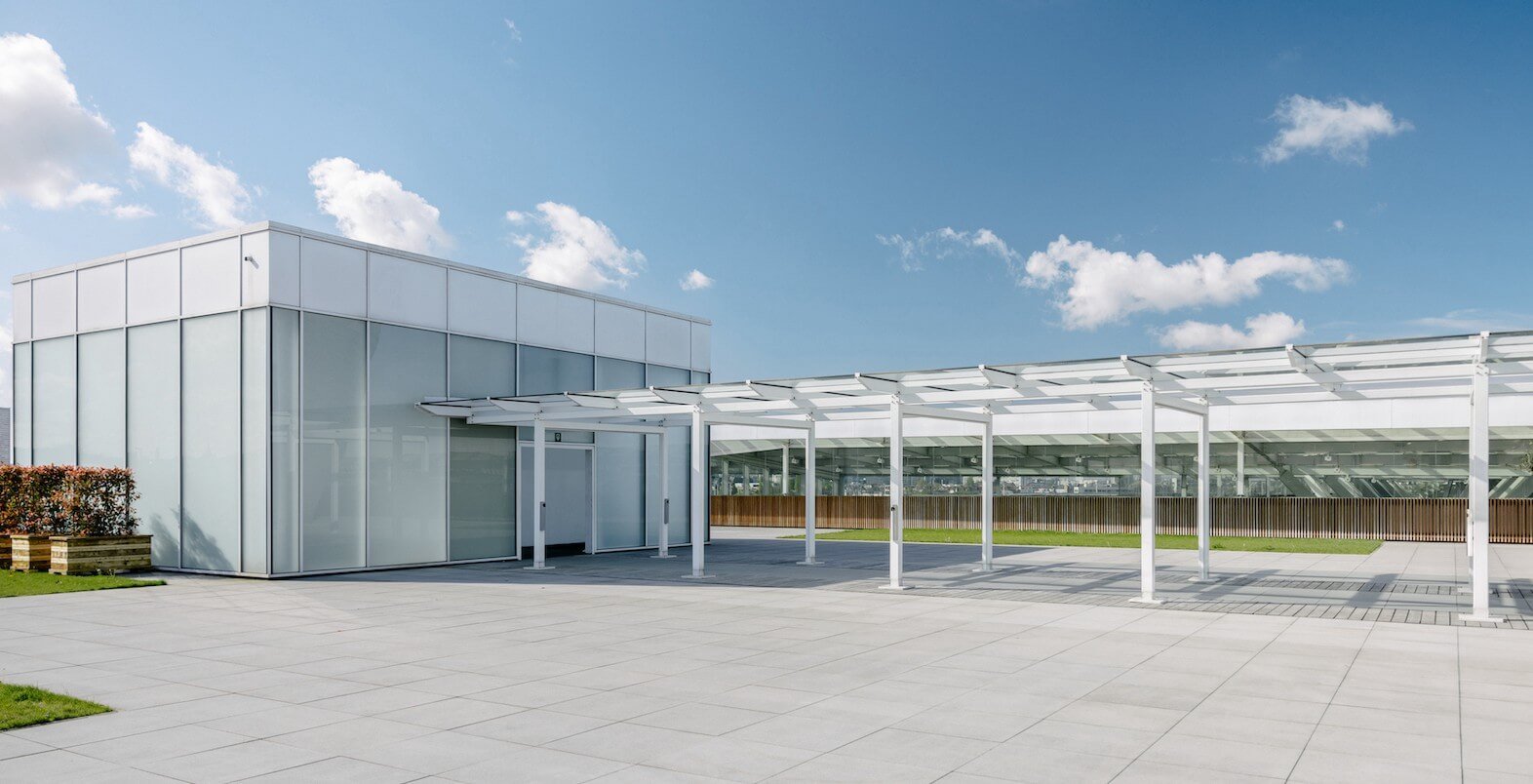
8. Outdoor space can completely change the experience
When searching for an event venue in Brussels, outdoor areas are easy to overlook.
Yet a terrace can add an entirely different dimension to an event.
It can become the setting for:
a welcome cocktail;
networking drinks;
a walking dinner;
an afterwork event;
an outdoor activation;
a breakout session;
sunset drinks after a conference.
Having both indoor and outdoor event spaces also provides more possibilities for creating distinct moments during the same event.
Instead of spending four or five hours in a single environment, guests can move between different atmospheres.
That change of setting can make an event feel significantly more dynamic.
Of course, Brussels weather should always be part of the planning process, so make sure an indoor alternative exists.
9. Think about sustainability before the event, not afterwards
Sustainability has become an increasingly important consideration for companies organising events.
But sustainable events involve much more than replacing plastic cups.
The venue itself can influence the environmental footprint of your event through:
energy efficiency;
renewable energy;
public transport accessibility;
cycling infrastructure;
waste management;
water consumption;
food waste policies;
sustainable materials;
environmental certifications.
Location also matters.
A venue that attendees can realistically reach by public transport makes it much easier to encourage alternatives to individual car journeys.
If your organisation has ESG objectives or sustainability commitments, ask venues for concrete information rather than relying purely on environmental claims.
10. Imagine the experience from arrival to departure
One final question ties all the previous criteria together:
What will your guests actually experience?
Imagine attending your own event.
You arrive at the venue.
Is finding the entrance straightforward?
Is registration smooth?
Where do you leave your coat?
How does the main room feel when you enter?
Can you see the stage?
Can you hear clearly?
Is it easy to find the bar, toilets or terrace?
Are there opportunities to talk comfortably with other guests?
And when the event finishes, can everyone leave without creating queues or confusion?
Great events are rarely defined by one spectacular element.
They are usually the result of dozens of small details working together.
The right venue makes those details easier to manage.
A flexible event venue in Brussels: discover Dome Eventhall
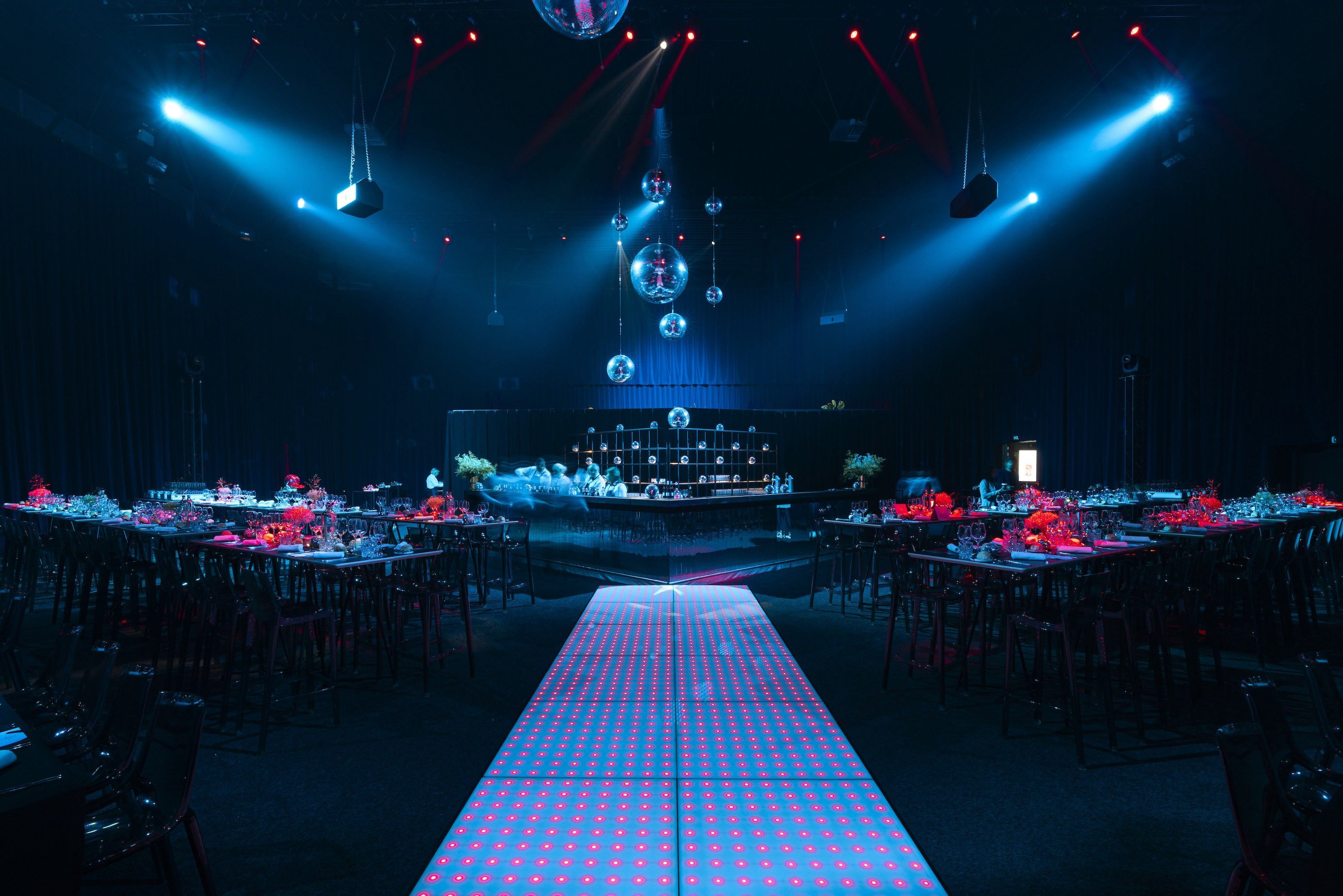
Located in Brussels, Dome Eventhall has been designed around precisely this idea of flexibility.
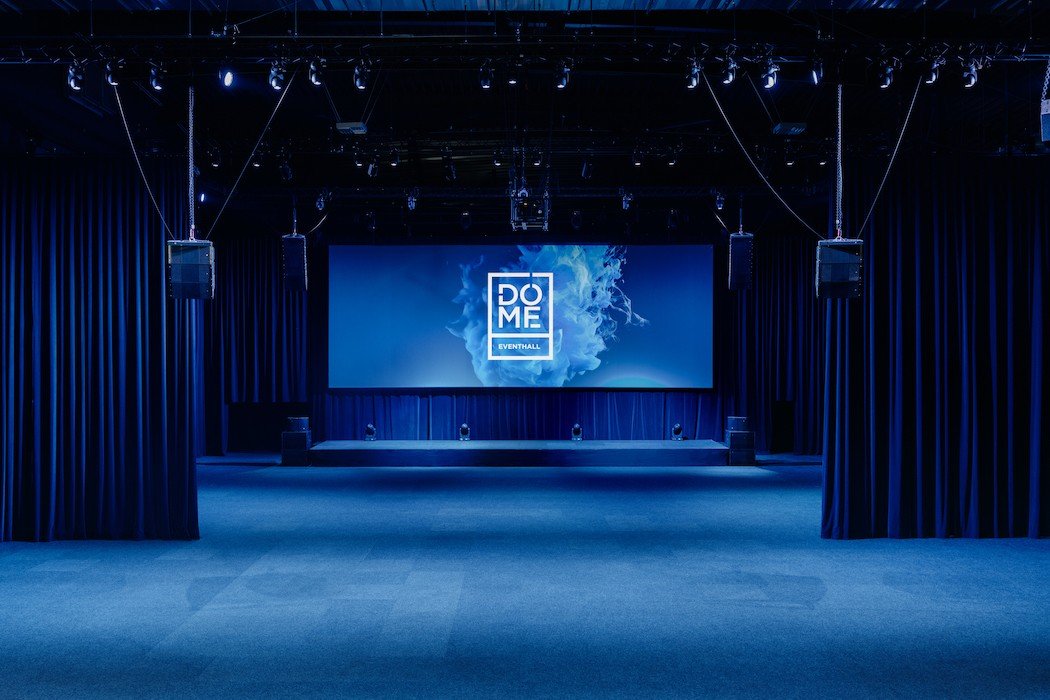
Its 927 m² pillar-free main hall can be divided into three zones, allowing the venue to adapt to different formats and audience sizes.
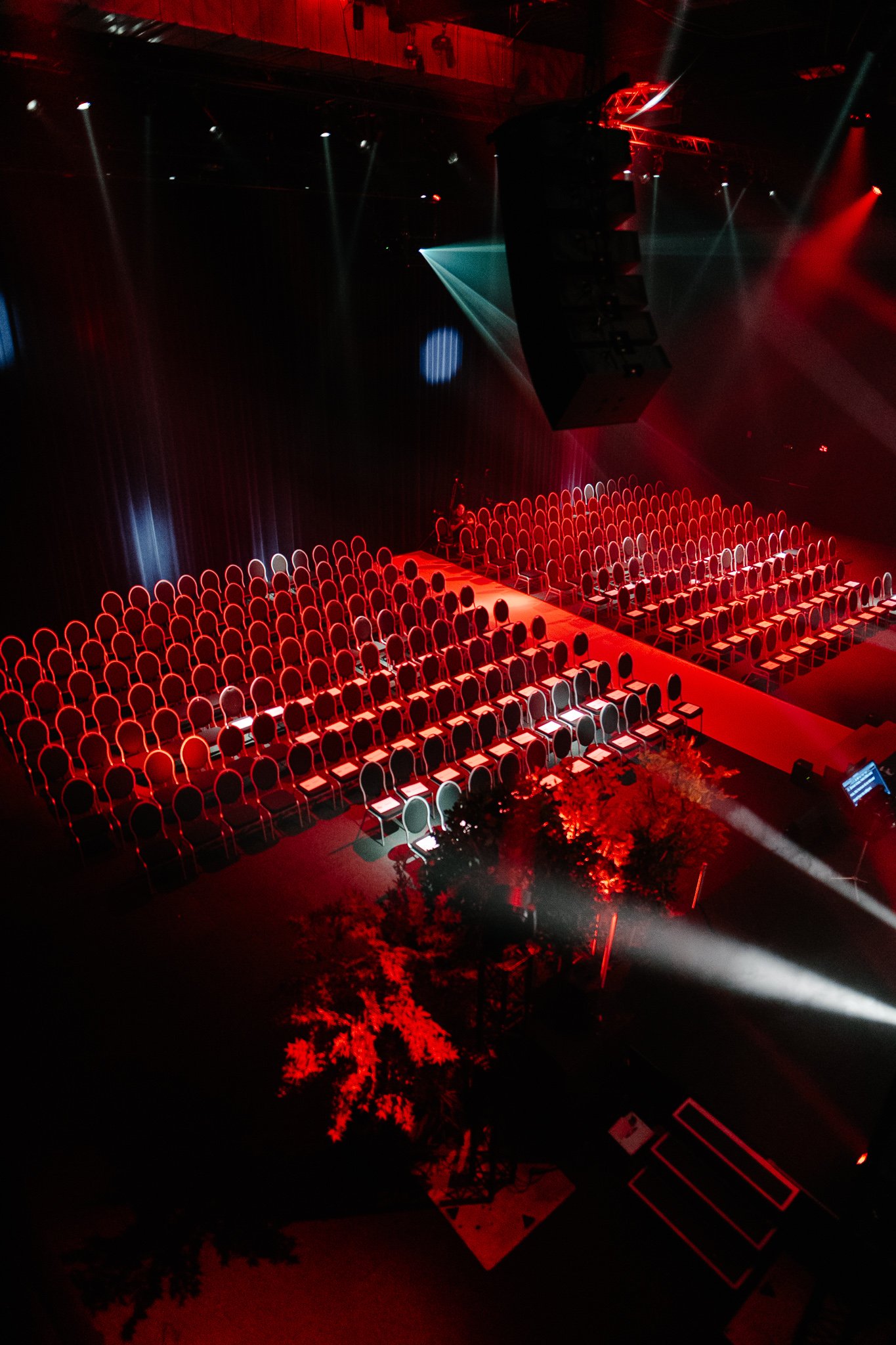
Depending on the configuration, the complete main hall can accommodate up to 1,400 guests for a walking dinner, 800 for a seated dinner and 1,100 in theatre configuration.
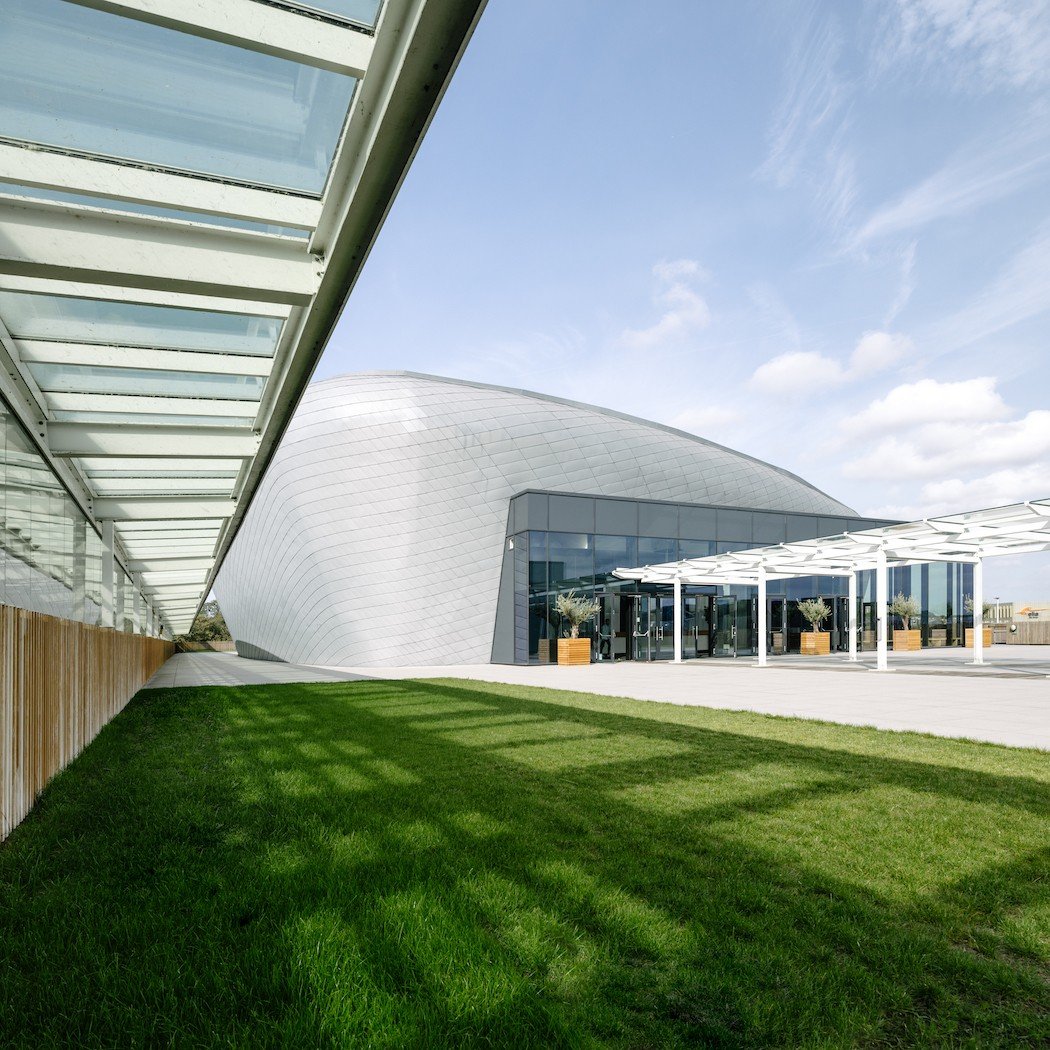
The venue also offers two large panoramic rooftop terraces and a range of supporting spaces for reception, cloakroom, catering, production, storage and event operations.
Accessibility is another major consideration. Dome Eventhall is approximately five minutes on foot from Schaerbeek railway station, while tram and bus stops are located directly outside the complex. For guests arriving by car, 1,700 underground parking spaces are available within the complex with direct venue access.
Organisers are also free to select their preferred suppliers for catering, additional technical requirements, furniture and other event services.
The result is a venue that can be transformed according to the event rather than forcing every organiser into the same format.
From conferences and congresses to gala dinners, staff parties, product launches and large corporate events, the space can be configured around the experience you want to create.